$13.99
 NailThatGiftNailThatGift
Browse kids gift exchange ideas and use the occasion, age, price and type filters to narrow it down and bookmark your favourites as you browse.
When you buy through links on our site, we may earn an affiliate commission.

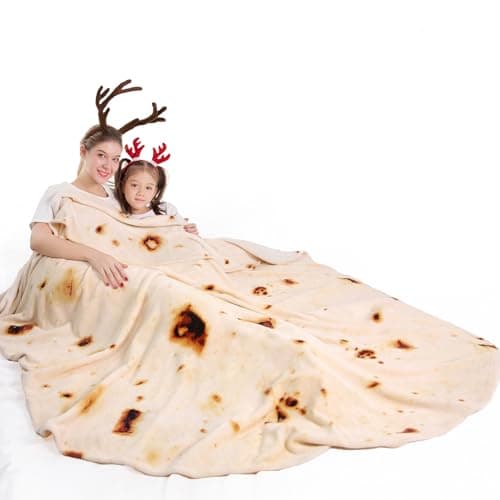
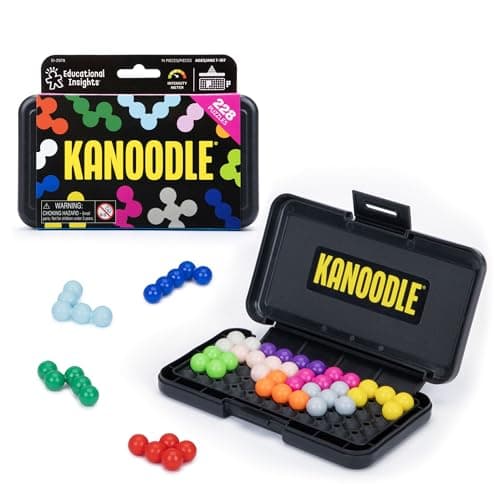

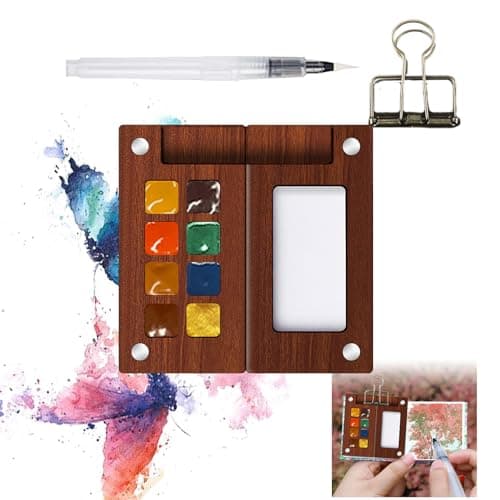

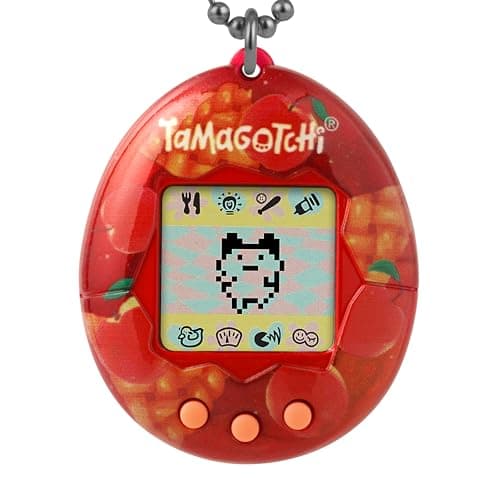


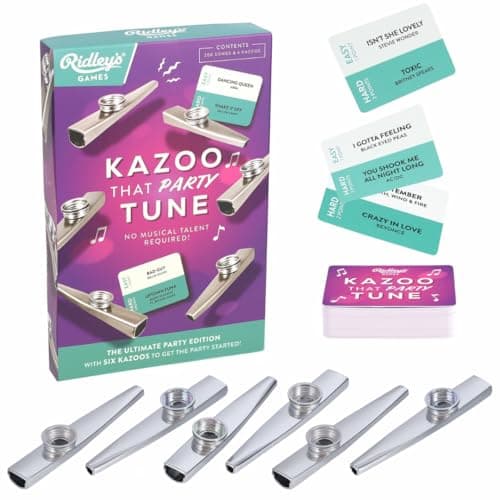
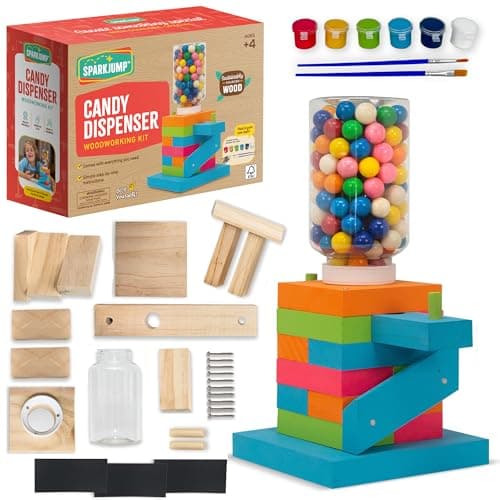
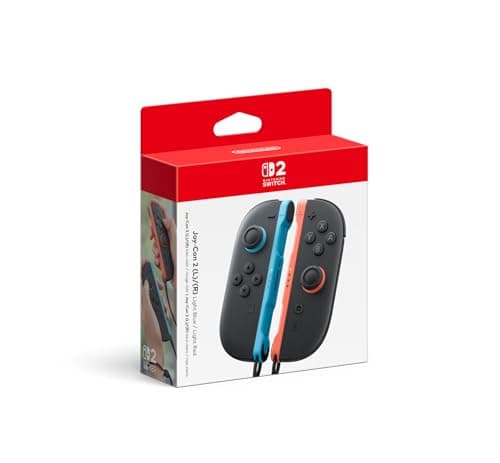
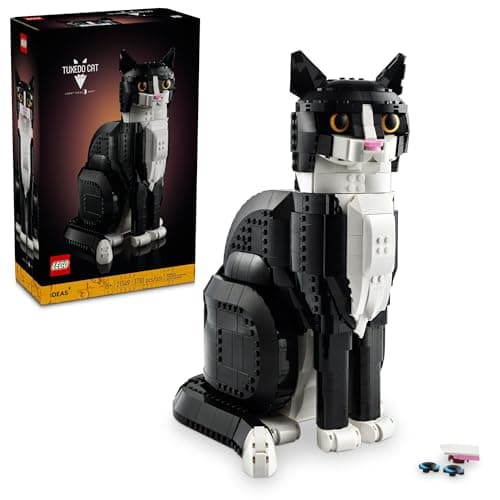
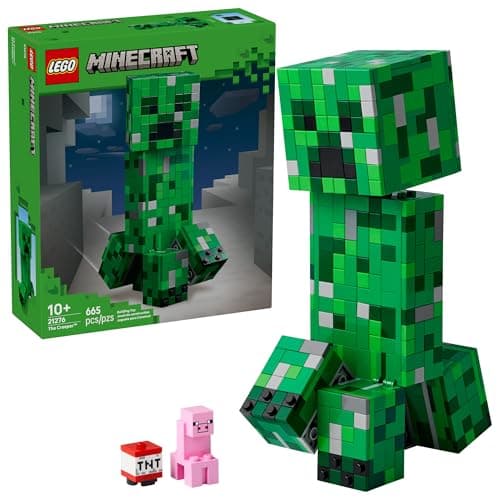
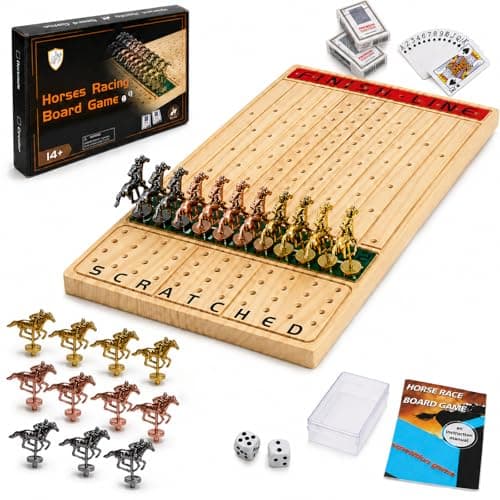
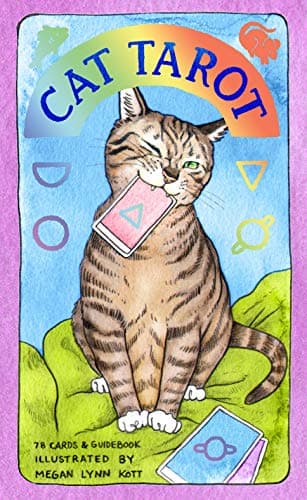


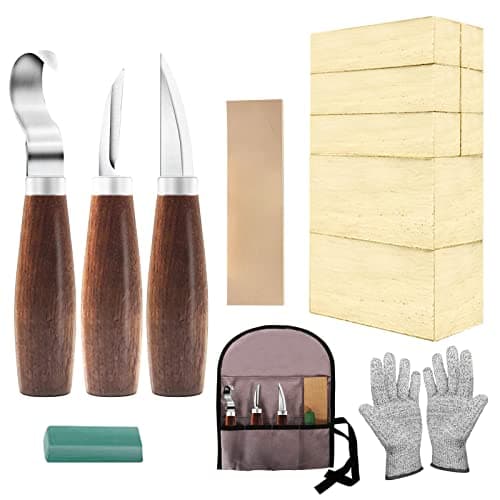
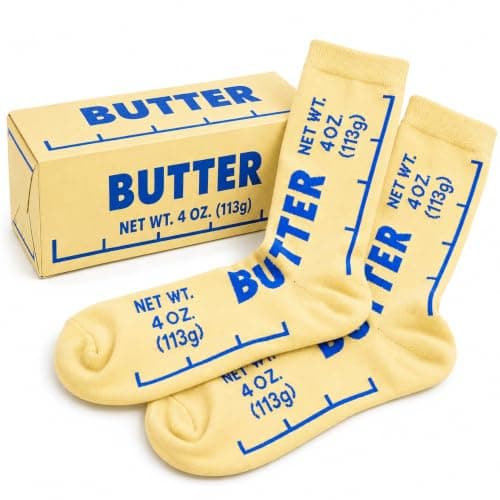
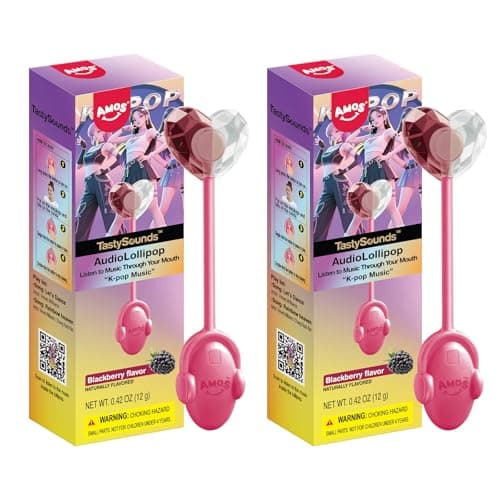

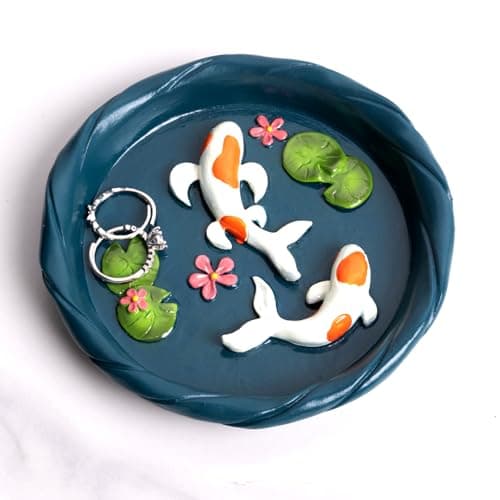




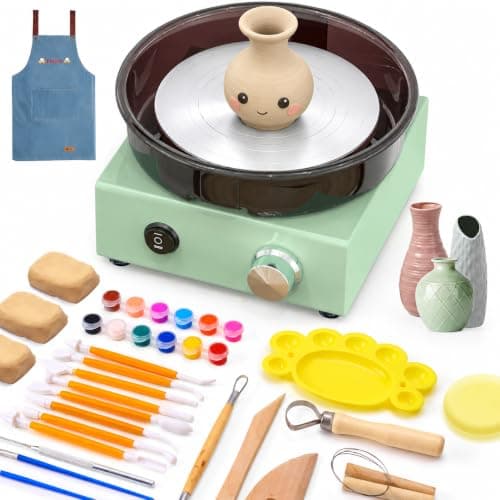

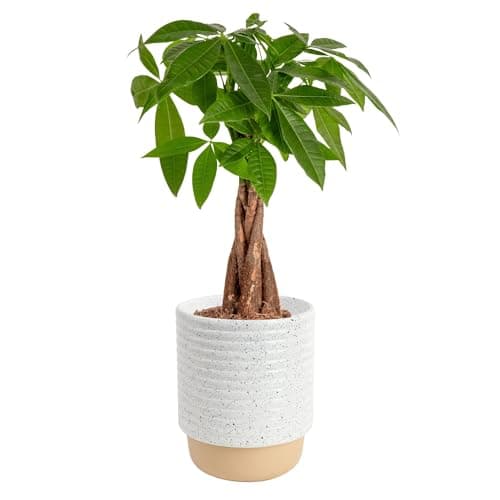

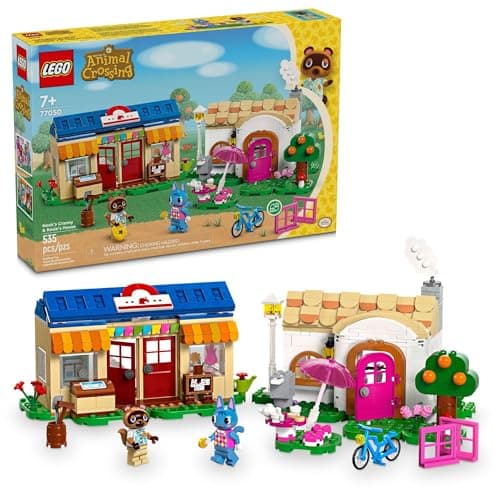
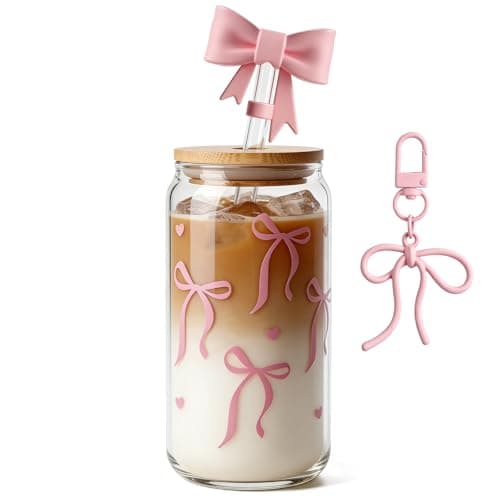
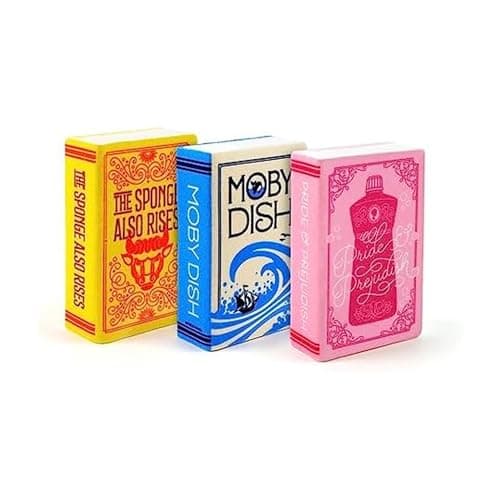

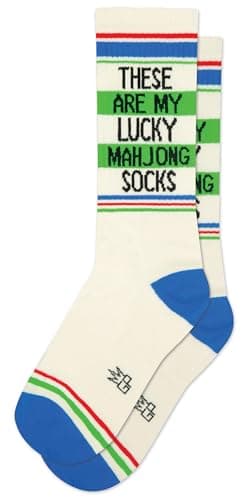
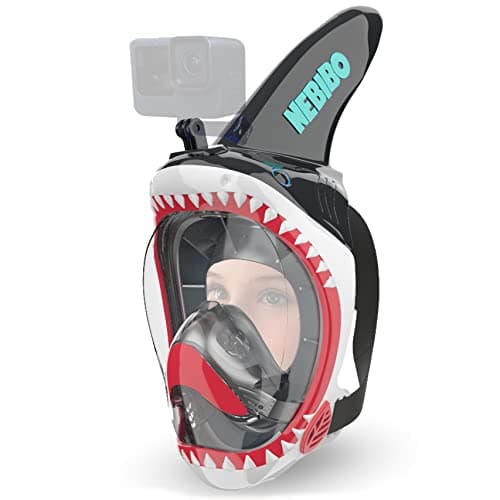
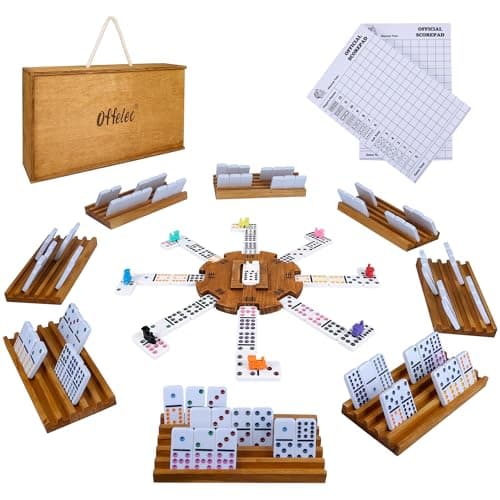
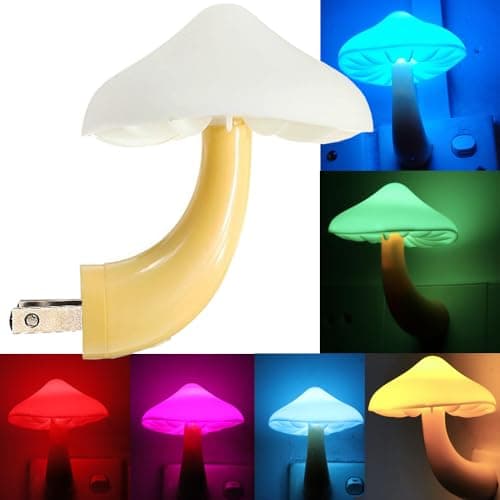


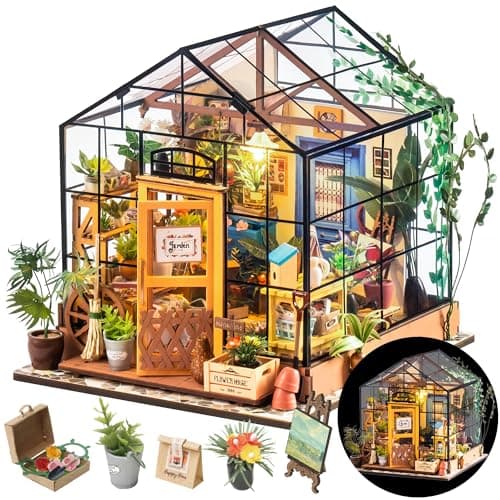



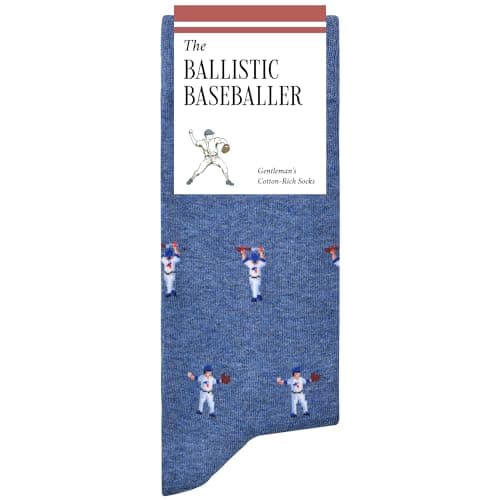
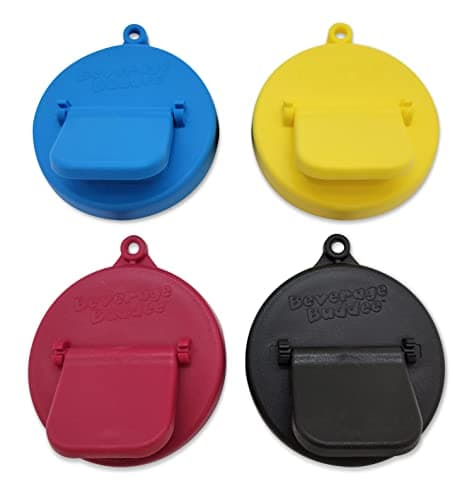

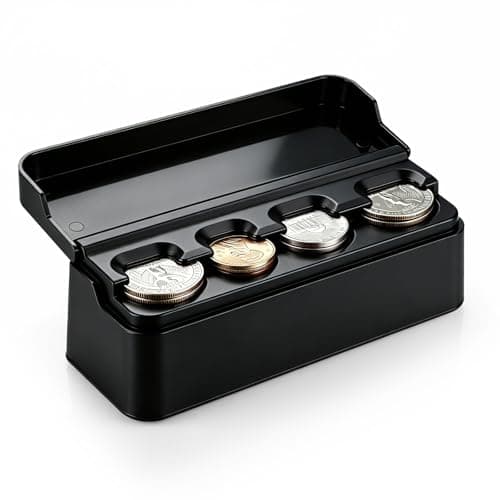
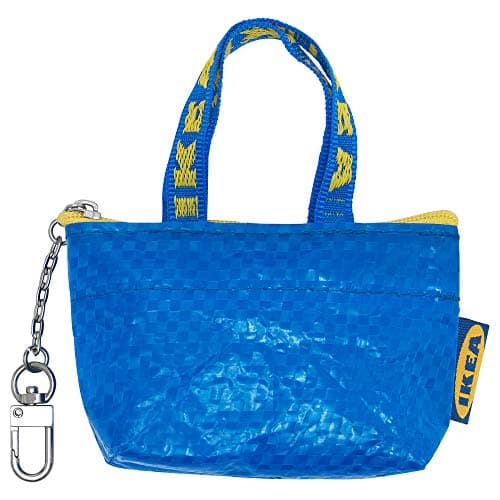
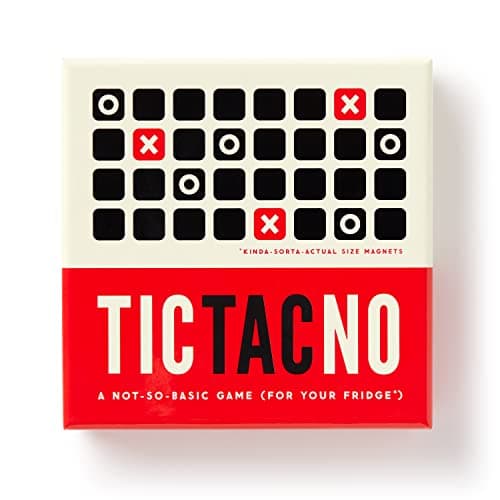
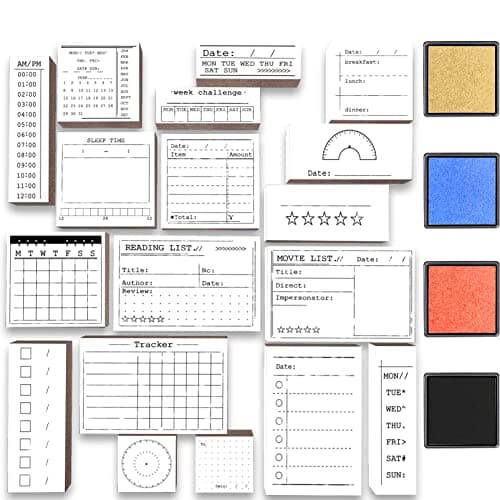

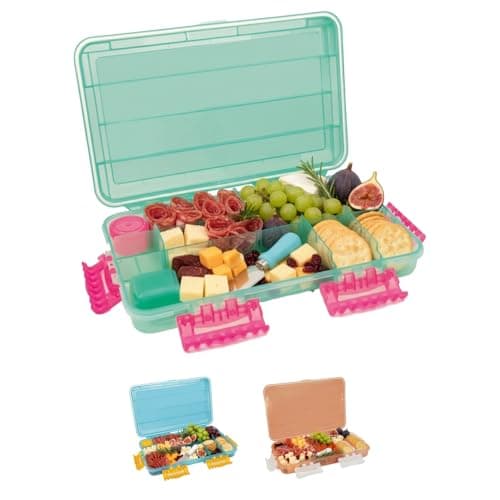
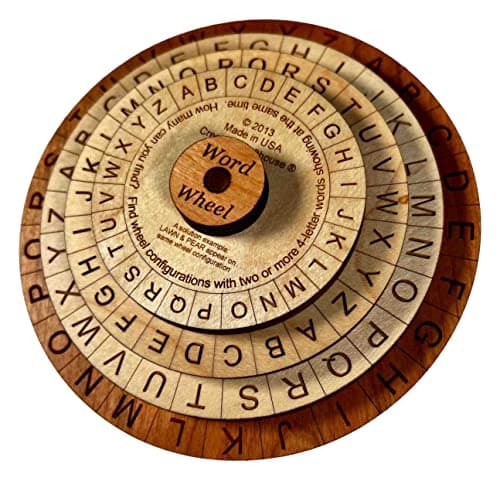
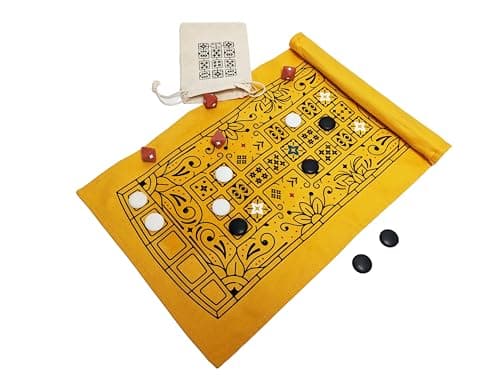

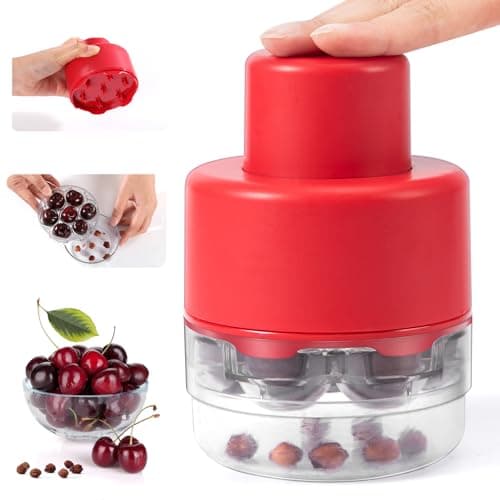
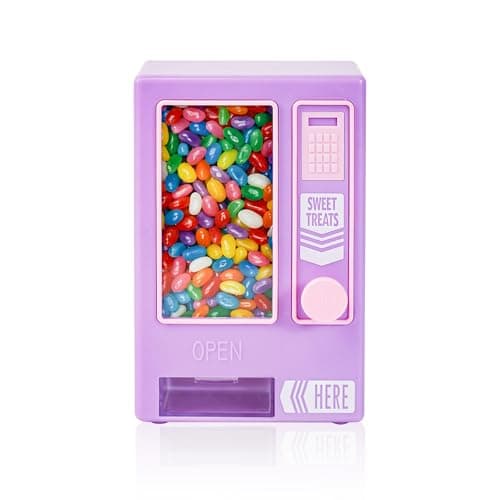
Gift exchanges bring magic to childhood celebrations, transforming ordinary gatherings into memorable experiences filled with anticipation and joy. Whether you're organizing a classroom party, birthday celebration, or holiday event, finding the perfect balance between excitement and fairness can make all the difference. Kids thrive on the thrill of giving and receiving, and a well-planned exchange ensures every child feels included and valued. The key lies in setting clear guidelines, choosing age-appropriate gifts, and creating an atmosphere where the focus remains on fun rather than competition.
Planning a successful gift exchange requires understanding your group's dynamics and the occasion at hand. Different age groups have varying interests and attention spans, so what works brilliantly for preschoolers might fall flat with tweens. Budget considerations matter too, ensuring no family feels pressured to overspend while maintaining gift quality that delights young recipients. With thoughtful preparation and creative themes, you can orchestrate exchanges that children will remember fondly for years to come.
Establishing a reasonable price range keeps gift exchanges accessible for all participating families while preventing awkward disparities. For elementary school events, a $10 to $15 limit works well, offering enough flexibility for quality items without creating financial strain. Middle school exchanges can comfortably accommodate $15 to $20 ranges, reflecting older kids' more sophisticated tastes. When organizing exchanges similar to white elephant gifts around $25, you'll find this higher threshold opens doors to more substantial presents while remaining budget-conscious.
Clear communication about spending limits prevents uncomfortable situations where some gifts significantly outshine others. Send detailed guidelines to parents well in advance, specifying whether the limit is a maximum or a target range. Consider suggesting stores or categories that align with your budget to help busy parents shop efficiently. Many families appreciate specific recommendations, especially when they're unfamiliar with current toy trends or popular children's products.
For younger children who don't fully grasp monetary value, the wrapping and presentation often matter as much as the gift itself. Colorful paper, festive bows, and creative packaging transform even modest items into treasures worth unwrapping. This approach mirrors the spirit found in small gift exchanges for friends, where thoughtfulness trumps price tags. Encouraging parents to involve their children in the wrapping process adds an extra layer of personal investment to the giving experience.
Matching gifts to developmental stages ensures every child receives something they can actually enjoy and use. Toddlers and preschoolers delight in sensory toys, simple puzzles, chunky crayons, and board books with colorful illustrations. These early years focus on exploration and discovery, so gifts that engage multiple senses or encourage imaginative play consistently hit the mark. Avoid items with small parts or complex instructions that might frustrate rather than entertain young recipients.
Elementary-aged children gravitate toward craft kits, building sets, card games, and activity books that challenge their growing skills. This age group enjoys gifts that offer replay value and can be shared with friends or siblings. Science experiment kits, art supplies, sports equipment, and beginner board games provide hours of entertainment while supporting cognitive and physical development. When exploring broader gift ideas for kids, you'll discover countless options that balance educational value with pure fun.
Tweens and teens present unique challenges as their interests become more individualized and trend-driven. Gift cards to popular retailers, trendy accessories, technology items like phone accessories or earbuds, and experience-based gifts often resonate with this age group. Books from popular series, art supplies for serious hobbyists, or sports gear for dedicated athletes allow for personalization within exchange parameters. For teen-focused events, consider themes similar to white elephant exchanges for teens that incorporate humor and current pop culture references.
Traditional Secret Santa exchanges work beautifully for classroom settings and organized groups where children know each other well. Each child draws a name and purchases a specific gift for that person, creating one-to-one connections that feel personal and special. This format teaches thoughtfulness and consideration as kids think about what their assigned recipient might enjoy. Provide clear guidelines about interests or wish lists to help young shoppers make confident choices.
Yankee Swap or white elephant gift exchanges inject competitive excitement into the mix, perfect for older children who understand the rules and enjoy strategic play. Participants can steal previously opened gifts or choose wrapped ones, creating dynamic interaction and plenty of laughter. Set clear limits on steal rounds to prevent frustration, and ensure all gifts fall within similar desirability ranges to avoid disappointment. This format works especially well for holiday parties where entertainment value matters as much as the gifts themselves.
Grab bag exchanges offer the simplest approach for younger children or large groups where organization needs to stay streamlined. All gifts go into a central collection, and children draw numbers or take turns selecting wrapped presents. This method eliminates the pressure of choosing for specific individuals while maintaining the thrill of surprise. The randomness appeals to kids' love of chance and keeps the focus on collective fun rather than individual preferences.
Book-themed exchanges promote literacy while offering gifts with lasting value that parents appreciate. Set guidelines around hardcover versus paperback, new releases versus classics, or specific genres that align with age groups. Children can include bookplates or personal inscriptions, adding meaningful touches that transform books into keepsakes. This theme works particularly well for classroom exchanges where teachers can incorporate literary discussions and reading challenges.
Craft and creativity themes encourage artistic expression and hands-on learning through supplies, kits, and tools. Participants might exchange paint sets, modeling clay, bead kits, or specialized papers that fuel imagination and skill development. These gifts provide ongoing entertainment value as children create multiple projects from a single kit. The theme naturally accommodates various price points, from basic supply sets to more elaborate craft collections.
Experience-based exchanges shift focus from material possessions to memorable activities and adventures. Movie tickets, museum passes, trampoline park vouchers, or mini-golf certificates create anticipation beyond the exchange event itself. This approach reduces clutter while giving children something genuinely exciting to look forward to. Families often appreciate experience gifts as alternatives to toy accumulation, especially after major holidays when homes overflow with new possessions.
Gift exchanges provide perfect opportunities to build traditions that children will carry into their own families someday. Consider establishing annual themes that evolve with your group, creating continuity and shared history. Perhaps every December features pajama exchanges where kids swap cozy sleepwear, or summer parties center on outdoor games and activities. These repeating elements give children something familiar to anticipate while allowing flexibility for age-appropriate adjustments.
Multi-generational exchanges that include siblings, cousins, or extended family members teach children about giving across age groups. When planning these broader events, strategies from family gift exchange ideas help balance different needs and interests. Older children might draw younger cousins' names, learning to consider developmental appropriateness, while younger kids experience the pride of selecting gifts for admired older relatives. These interactions strengthen family bonds while developing social awareness and empathy.
Creating exchange traditions around charitable giving adds meaningful depth to childhood celebrations. Organize exchanges where children select gifts for donation to local shelters or hospitals, teaching generosity toward those outside their immediate circles. Partner gifts with thank-you card projects or community service activities that connect presents to broader social responsibility. These experiences plant seeds of compassion and civic engagement that flourish throughout children's lives.
Clear communication prevents confusion and ensures smooth execution from start to finish. Send detailed information packets to parents at least three weeks before the exchange, including dates, price limits, theme details, and any specific restrictions. Create simple checklists that busy families can reference quickly, reducing last-minute questions and stress. For classroom exchanges, coordinate with teachers to align timing with existing school events and avoid scheduling conflicts.
Maintaining gender-neutral gift guidelines ensures inclusivity and expands options for all participants. Rather than "boy gifts" and "girl gifts," focus on interest categories like sports, arts, science, or reading. This approach respects diverse preferences while simplifying shopping for parents who might not know recipients well. The principles mirror those found in work gift exchanges, where universal appeal matters more than demographic assumptions.
Designate a collection point and deadline for gift submission, preventing day-of chaos and lost items. Label all packages clearly with participant numbers or names, using a system that maintains Secret Santa anonymity if applicable. Prepare backup gifts for unexpected attendees or last-minute substitutions, ensuring no child leaves empty-handed if complications arise. Have extra wrapping supplies available for families who forget or run short on materials.
Consider photographing or documenting the exchange to capture joyful moments families will treasure. These images serve as wonderful reminders of childhood friendships and special occasions, particularly valuable as children grow and move to different schools or activities. Share photos through secure platforms that respect privacy while allowing parents to relive the fun. Some groups create annual photo albums or digital scrapbooks that chronicle years of exchanges, building visual histories of growing children and evolving traditions.
Remember that successful exchanges balance structure with flexibility, allowing room for spontaneity and individual expression. While guidelines provide necessary framework, the heart of any children's gift exchange lies in fostering generosity, gratitude, and genuine connection. These events teach valuable life lessons about giving, receiving graciously, and celebrating together as communities, whether you're organizing classroom parties, scout troop gatherings, or neighborhood celebrations that strengthen local bonds.