$100-$300

 NailThatGiftNailThatGift
Explore family gift exchange ideas and filter by occasion, age, price and type to find the perfect match and bookmark your favourites as you browse.
When you buy through links on our site, we may earn an affiliate commission.
















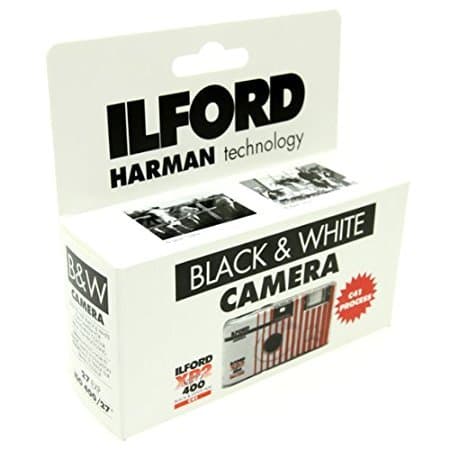
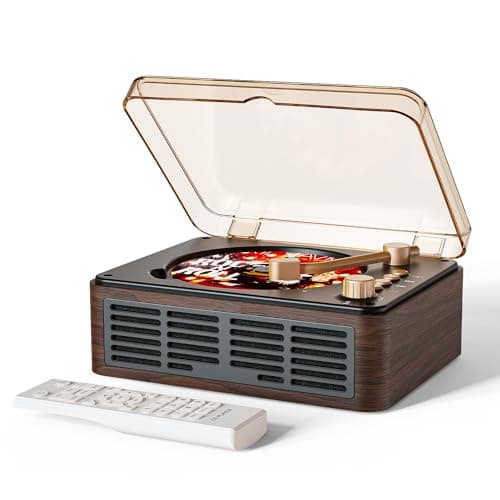
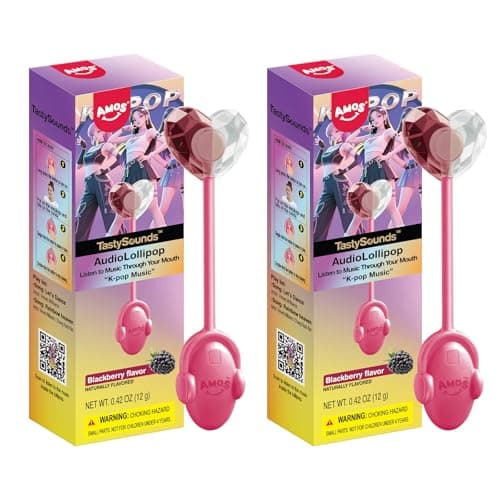


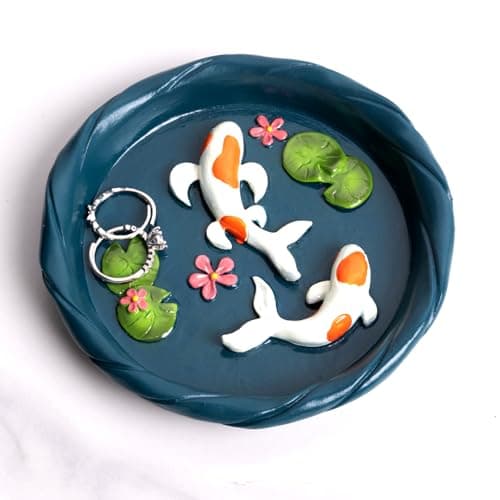































Family gift exchanges bring everyone together in a spirit of giving, but they can also feel overwhelming when you're trying to find something meaningful for relatives of all ages and interests. Whether you're organizing your first family exchange or looking to refresh a long-standing tradition, the key is creating a framework that keeps things fun, fair, and stress-free for everyone involved. The right approach balances thoughtfulness with practicality, ensuring no one feels burdened by the process. From setting clear budgets to choosing exchange formats that suit your family's personality, there are countless ways to make gift-giving a highlight of your gathering rather than a source of anxiety.
The beauty of a well-planned family gift exchange lies in its ability to strengthen bonds while keeping the focus on connection rather than extravagance. When everyone understands the guidelines and feels excited about participating, the entire experience becomes more enjoyable. You'll find that some families thrive with traditional Secret Santa arrangements, while others prefer more creative approaches like themed exchanges or charitable giving alternatives. The most successful exchanges often evolve over time, adapting to changing family dynamics, new additions, and lessons learned from previous years.
Secret Santa remains one of the most popular formats because it simplifies the process dramatically, especially for larger families. Instead of buying for everyone, each person draws a name and focuses their energy on finding one great gift for their assigned recipient. This approach works particularly well when family members live far apart or have limited budgets, as it reduces both financial pressure and shipping costs. You can add extra fun by setting creative themes, establishing price limits that work for everyone, or incorporating guessing games where people try to identify their Secret Santa before the big reveal.
White elephant exchanges offer a completely different energy, focusing on entertainment and surprise rather than personalized giving. If your family appreciates humor and doesn't take things too seriously, white elephant gifts can create hilarious moments and lasting memories. The stealing element adds competitive excitement, though you'll want to establish clear rules beforehand to prevent any hurt feelings. For families with teenagers who might feel awkward in traditional exchanges, white elephant games for teens provide a low-pressure way to participate without the stress of finding something deeply personal.
Another format gaining popularity is the themed exchange, where everyone brings a gift within a specific category like books, games, handmade items, or experiences. This approach levels the playing field and often leads to more creative thinking than open-ended exchanges. You might dedicate one year to cozy items like blankets and candles, another to outdoor adventure gear, and another to gourmet foods. Themed exchanges also make shopping easier because they narrow down the options while still allowing for personal expression within the boundaries.
Establishing a budget might feel awkward initially, but it's one of the most important steps in creating a successful family gift exchange. Without clear spending limits, some family members may feel pressured to spend more than they can comfortably afford, while others might worry their more modest gifts will seem inadequate. The goal is finding a sweet spot that feels generous without creating financial stress for anyone, which might mean having an honest conversation about what different family members can manage.
For many families, a $25-30 range hits the perfect balance, offering enough budget to find something thoughtful without breaking the bank. At this price point, you can still find quality items that show you've put thought into the selection. For female family members, exploring $25 gifts for her can yield surprising options, from skincare sets to elegant accessories. The key is maximizing value by shopping strategically, watching for sales, and prioritizing items that punch above their price point in terms of perceived value and usefulness.
Some families choose to set different budgets for different groups within the exchange, such as higher limits for adult-to-adult gifts and lower ones for children's exchanges. This tiered approach acknowledges that kids are often just as thrilled with a $10 gift as a $50 one, while adults might appreciate slightly more substantial items. If you're organizing separate exchanges for different age groups, checking out kids gift exchange ideas can help you establish appropriate guidelines and expectations for the younger participants.
Shopping for male relatives can sometimes feel challenging, especially if they're not the type to maintain wish lists or drop obvious hints about what they want. The solution often lies in thinking about their hobbies, daily routines, and small luxuries they wouldn't necessarily buy for themselves. Practical items with a quality upgrade, like premium coffee, craft beer selections, or tools for their favorite activities, tend to land well. For uncles, brothers, or fathers who appreciate compact presents, browsing small gifts for men can reveal options that feel substantial despite their size, from pocket multi-tools to sophisticated desk accessories.
Female family members often appreciate gifts that combine practicality with a touch of indulgence, though of course every person is unique and shouldn't be boxed into gendered expectations. Consider items that support their interests or add a little luxury to everyday routines, like specialty teas, beautiful notebooks for the writers in your family, or high-quality kitchen gadgets for cooking enthusiasts. The most appreciated gifts often show you've paid attention to specific details about their lives rather than falling back on generic options.
For families with children participating in the exchange, the challenge shifts to finding items that are age-appropriate, engaging, and not duplicates of what they might receive from parents or Santa. Books, craft supplies, educational games, and experience gifts like museum passes work well because they offer value beyond a single use. Setting clear expectations with parents beforehand helps avoid accidentally choosing items that conflict with household rules or that children already own. When kids are old enough to shop for others, involving them in the selection process teaches valuable lessons about thoughtfulness and considering others' preferences.
While family exchanges differ from office gift swaps in important ways, some strategies from professional settings translate surprisingly well to family gatherings. The emphasis on inclusivity, clear communication, and respecting boundaries applies universally, whether you're shopping for colleagues or cousins. Many of the organizational tips from work gift exchanges can streamline your family event, like using random name generator apps, setting specific exchange dates, and creating shared wish lists that prevent duplicate gifts or unwanted items.
One workplace strategy that adapts beautifully to family settings is the concept of neutral, universally appealing gifts that don't require deep personal knowledge. This approach works particularly well for extended family members you might not know intimately, like distant cousins or new in-laws. Consumables like specialty snacks, quality coffee or tea, nice candles, or small plants offer a safe middle ground that most people can appreciate. These items avoid the risk of getting sizes wrong, conflicting with personal style preferences, or sitting unused in a closet.
Beyond traditional formats, consider creative twists that align with your family's values and interests. A "handmade only" exchange encourages crafty family members to shine while challenging others to develop new skills, whether that means baking cookies, knitting scarves, or creating custom photo albums. This approach often produces the most meaningful gifts because of the time and personal effort invested, though you'll want to ensure everyone has the skills and time to participate without stress.
Experience-based exchanges focus on creating memories rather than accumulating objects, which appeals to families trying to reduce clutter or emphasize quality time together. Instead of physical items, family members give things like homemade coupon books for babysitting, tickets to events, or promises to teach specific skills. These gifts often become cherished traditions that bring family members closer through shared activities. Some families even do "adventure exchanges" where each person plans a small outing or activity for their recipient, from picnic lunches to hiking trips to museum visits.
Charitable exchanges redirect gift budgets toward causes the family cares about, either by making donations in each other's names or by purchasing items that support social enterprises and small businesses. This format works well for families who feel they already have everything they need and want their gathering to reflect values of generosity beyond the immediate family circle. You might each select a charity, make donations, and share stories about why those causes matter to you, turning the gift exchange into a meaningful conversation about values and impact.
Many families extend their gift exchanges to include close friends who've become like family, creating a warm, inclusive atmosphere that honors chosen family alongside biological relatives. When incorporating friends into your family exchange, clear communication becomes even more essential since they might not know all the unspoken rules and traditions that family members take for granted. Providing detailed information about budget limits, exchange formats, and any family inside jokes or themes helps friends feel comfortable and prepared rather than anxious about getting it wrong.
The key to successful friend inclusion is matching the tone and expectations to what works for everyone involved. If you're organizing something specifically for your friend group alongside or instead of a family exchange, you might explore small gift exchange options for friends that emphasize fun and personality over formality. Friends often appreciate more playful approaches, inside joke references, and gifts that celebrate shared experiences and memories from your friendship.
For families who prefer slightly higher spending limits or who organize separate adult exchanges with more flexibility, the $40-50 range opens up significantly better quality options. At this price point, you can invest in items that feel genuinely special, like small electronics, premium kitchen gadgets, quality accessories, or curated gift baskets with multiple components. The challenge becomes choosing items that justify the higher price tag through lasting value rather than just costing more without offering proportional quality.
If your family enjoys the white elephant format but wants to elevate it beyond gag gifts, setting the budget around $50 changes the dynamic considerably. You can find items that are both entertaining and genuinely desirable, creating more competitive stealing rounds and ensuring everyone leaves happy. Exploring white elephant options at the $50 price point reveals possibilities that balance humor with utility, like quirky but functional home items, unique food and drink collections, or conversation-piece décor that people actually want in their homes.
Higher budgets also allow for more personalized gifts when you know your recipient well, like subscription services tailored to their interests, quality versions of items they use daily, or experience gifts with more substantial value. The extra investment shows thoughtfulness and can result in gifts that recipients treasure and use for years rather than items that get regifted or donated after the holidays. Just ensure that everyone participating is comfortable with the higher spending level to prevent creating financial pressure or uncomfortable disparities in gift quality.