$13.99
 NailThatGiftNailThatGift
Find the perfect gift ideas for children, filter by occasion, age, price and type to narrow it down and save the ones you like for later.
When you buy through links on our site, we may earn an affiliate commission.



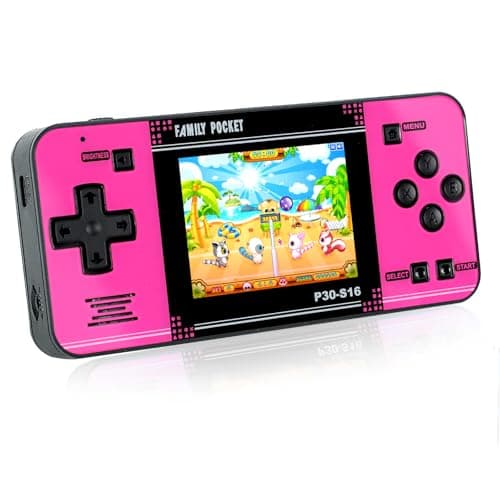
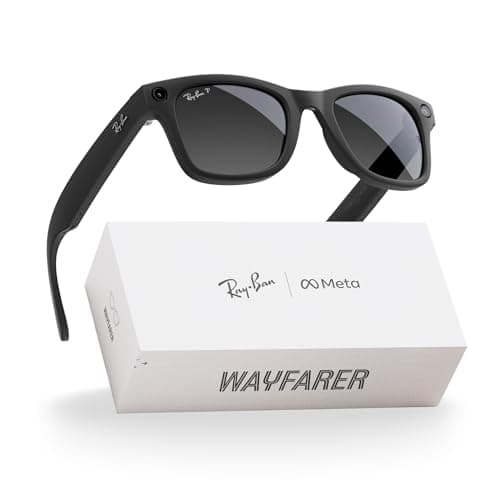

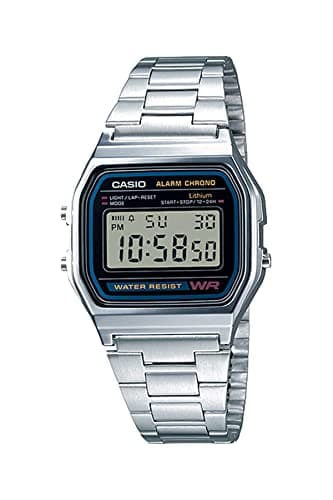
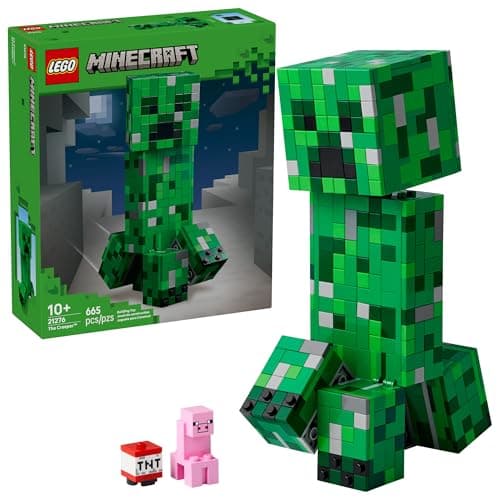

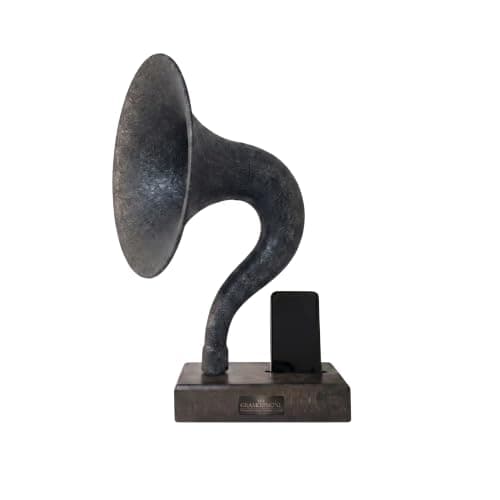
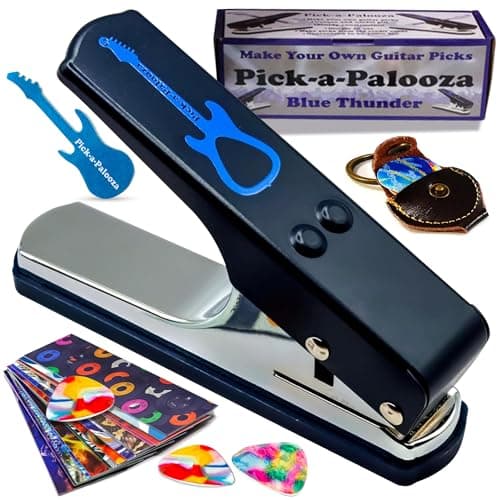
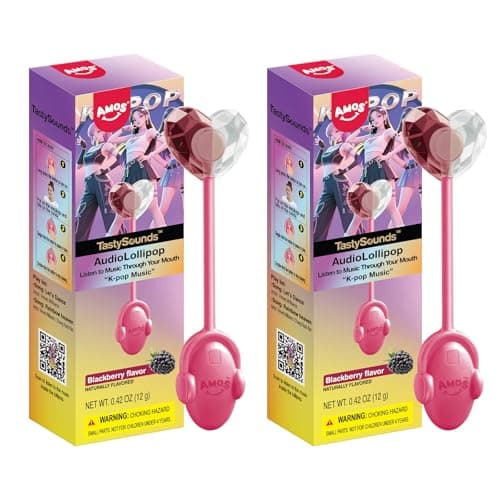


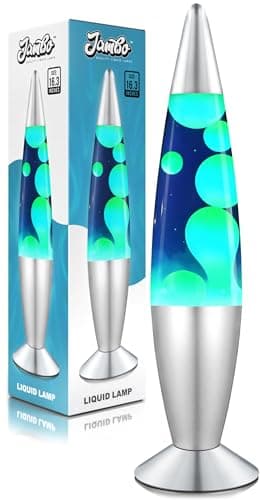














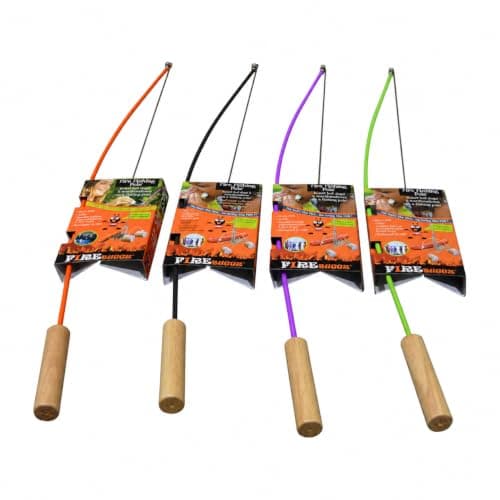
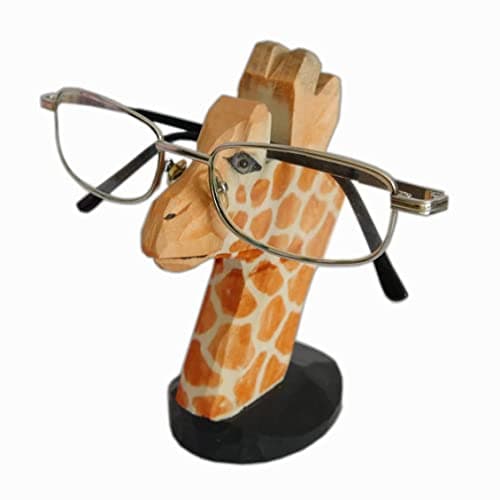
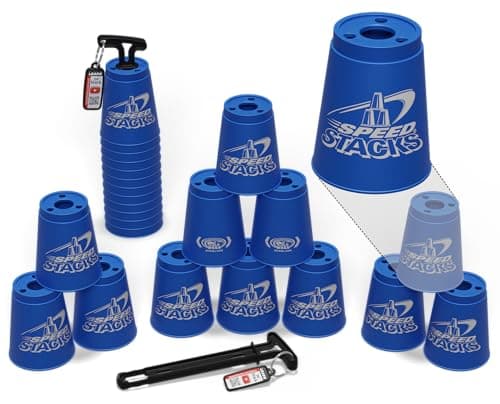
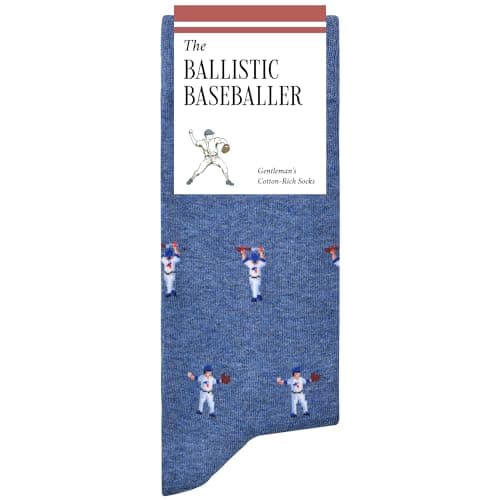

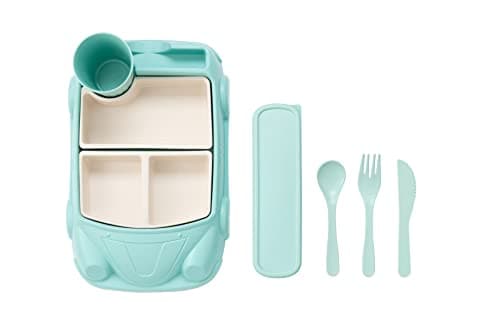
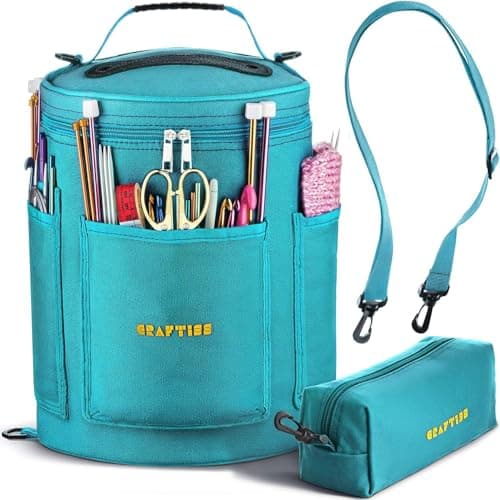

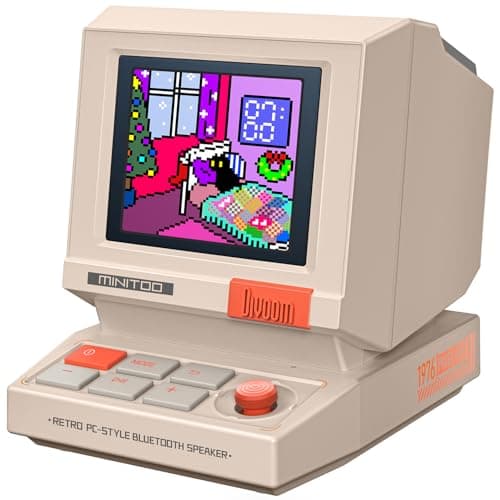
Finding the perfect present for a child can feel like solving a delightful puzzle. Children's interests evolve rapidly as they grow, and what captivates a toddler won't necessarily excite a pre-teen. The best gifts spark imagination, encourage learning, or simply bring unbridled joy to their faces. Whether you're shopping for a birthday, holiday, or just because, understanding what resonates with different age groups makes all the difference in selecting something truly special.
The world of children's gifts has expanded far beyond traditional toys. Today's options include educational kits, creative supplies, outdoor equipment, and technology designed specifically for younger users. The key is matching the gift to the child's developmental stage, personal interests, and the occasion itself. When you take time to consider these factors, you'll find yourself choosing presents that children actually use and treasure rather than items that collect dust on a shelf.
This guide explores various approaches to selecting wonderful presents for the young people in your life. From budget-friendly options to special occasion splurges, we'll help you navigate the exciting landscape of children's gifts with confidence and creativity.
Age-appropriate gifting matters tremendously when shopping for children. A toy designed for a three-year-old won't challenge or interest a ten-year-old, and conversely, complex items intended for older children can frustrate younger ones. Understanding developmental milestones helps you select gifts that align with a child's current abilities while gently encouraging growth. For infants and very young children, newborn baby gifts focus on sensory development, comfort, and safety features that give parents peace of mind.
Elementary-aged children experience tremendous cognitive and physical growth. Gifts for 7 year olds might include beginning chapter books, science kits, or sports equipment as they develop new skills. Moving into gift options for 8 year olds, you'll find children ready for more complex building sets, art supplies, and hobby-related items. By the time they reach nine, gifts for 9 year olds often reflect emerging personal interests like specific sports, musical instruments, or creative pursuits.
The transition from childhood to adolescence brings significant changes in interests and maturity. This makes tween gift ideas particularly important to get right, as children in this stage seek more sophisticated options. They're developing stronger personal identities and appreciate gifts that acknowledge their growing independence while still maintaining appropriate boundaries for their age group.
Pre-teens and teenagers present unique gifting challenges as their preferences become more specific and often trend-focused. Twelve-year-olds sit at a fascinating crossroads between childhood and adolescence, with interests that can vary dramatically based on individual personality. For girls in this age group, gifts for 12 year old girls might include jewelry-making kits, room décor, or technology accessories that express personal style. Meanwhile, gifts for 12 year old boys often lean toward gaming accessories, sports gear, or hobby-specific equipment.
As children enter their teenage years, their gift preferences shift even more dramatically toward personal expression and independence. Gifts for 13 year olds acknowledge their teenage status while respecting that they're still developing their adult identities. Moving to fourteen, gift ideas for 14 year olds can include more sophisticated technology, fashion items, or experiences like concert tickets that create lasting memories.
Older teenagers appreciate gifts that support their growing autonomy and future aspirations. By seventeen, gifts for 17 year olds might include items for college preparation, driving accessories, or quality versions of items they'll carry into adulthood. For comprehensive ideas spanning the entire teenage period, exploring teen gifts provides inspiration across various interests and price points.
Different occasions call for different gifting approaches when it comes to children. Birthday gifts typically allow for larger, more significant presents that the child has specifically requested or that align with their current obsessions. These milestone celebrations provide opportunities to give gifts that mark their growth and achievements. Consider items they've been asking for repeatedly or upgrades to hobbies they've already shown commitment to pursuing.
Holiday gifts often follow different patterns, with many families spreading joy across multiple smaller presents rather than one major item. Winter holidays particularly lend themselves to themed gifts, cozy items like pajamas or blankets, and entertainment options for cold weather months. Easter gifts for teens and other spring celebrations might focus on outdoor activities, spring fashion, or items that celebrate renewal and growth as seasons change.
Don't overlook the power of "just because" gifts that show children they're thought of beyond major occasions. These smaller surprises can include new books, art supplies, or small toys that demonstrate you pay attention to their interests. Sometimes the most memorable gifts are those given without any occasion at all, simply to brighten an ordinary day.
Thoughtful gifts for children don't require breaking the bank. Many of the most cherished childhood memories come from simple, inexpensive presents given with genuine care and attention. Books remain one of the best value propositions in children's gifts, providing hours of entertainment and educational value at relatively low cost. Building a child's personal library creates lasting value and encourages a lifelong love of reading.
Craft supplies and creative materials offer excellent bang for your buck. A well-stocked art cart with quality colored pencils, markers, paper, and basic craft supplies can provide months of entertainment. Science kits, puzzle books, and building materials like wooden blocks or magnetic tiles encourage problem-solving and creativity without carrying luxury price tags. These items often see more use than expensive electronic alternatives.
Experience-based gifts can also fit modest budgets while creating priceless memories. Consider movie tickets, museum passes, or special outings like mini-golf or bowling. These gifts provide quality time together, which children often value more than physical objects. Memberships to local attractions, subscriptions to age-appropriate magazines, or enrollment in short classes or workshops all provide ongoing value beyond their initial cost.
Certain categories of gifts consistently succeed across ages, occasions, and individual preferences. Educational gifts that don't feel like learning disguised as fun hit the sweet spot for many parents and children alike. STEM-focused toys, coding robots, and hands-on science experiments engage curious minds while building valuable skills. These gifts provide entertainment value while supporting academic development and critical thinking abilities.
Active play items encourage physical development and outdoor time in an increasingly screen-focused world. Bicycles, scooters, sports equipment, and outdoor games promote healthy habits while providing fun. These gifts often facilitate social connections too, as children use them with siblings, friends, and neighbors. Quality outdoor toys typically last for years, sometimes even getting passed down to younger siblings or cousins.
Creative and artistic gifts nurture self-expression and provide calming, screen-free activities. Musical instruments, art supplies, writing journals, and craft kits allow children to explore their creative sides. These gifts often reveal hidden talents and can spark lifelong passions. Even children who don't consider themselves particularly artistic benefit from creative outlets that build confidence and provide alternative ways to process emotions and experiences.
When in doubt, don't hesitate to ask parents about current interests, wish lists, or practical needs. Parents often have insights into what their children actually want versus what they think they want. They can also steer you away from gifts the child already owns or items that don't align with family values or household rules. This communication prevents duplicate gifts and ensures your present will be genuinely appreciated.
Consider the child's living situation before selecting bulky items or gifts requiring significant space. Apartment-dwelling families might not have room for large playsets or extensive toy collections. Similarly, think about whether gifts require ongoing purchases like batteries, replacement parts, or expansion packs. Sometimes the most considerate gifts are those that come complete and don't create additional expenses for parents.
Pay attention to quality over quantity, especially for younger children who can become overwhelmed by too many options. A few well-chosen, durable items often provide more value than numerous cheap toys that break quickly. Gifts from grandmas and other family members often become treasured keepsakes when chosen thoughtfully and built to last. Remember that children remember the love and intention behind gifts long after the items themselves have been outgrown or worn out.